

We’re proud to support five-week placements for medical students in years 2, 3 and 4, giving them time to explore topics in more depth through supervised projects and focused learning. In this placement, students look at how connection with nature can support mental and physical wellbeing, using communiMap and the Nature Co-Lab to explore everyday experiences of place and wellbeing in Glasgow.
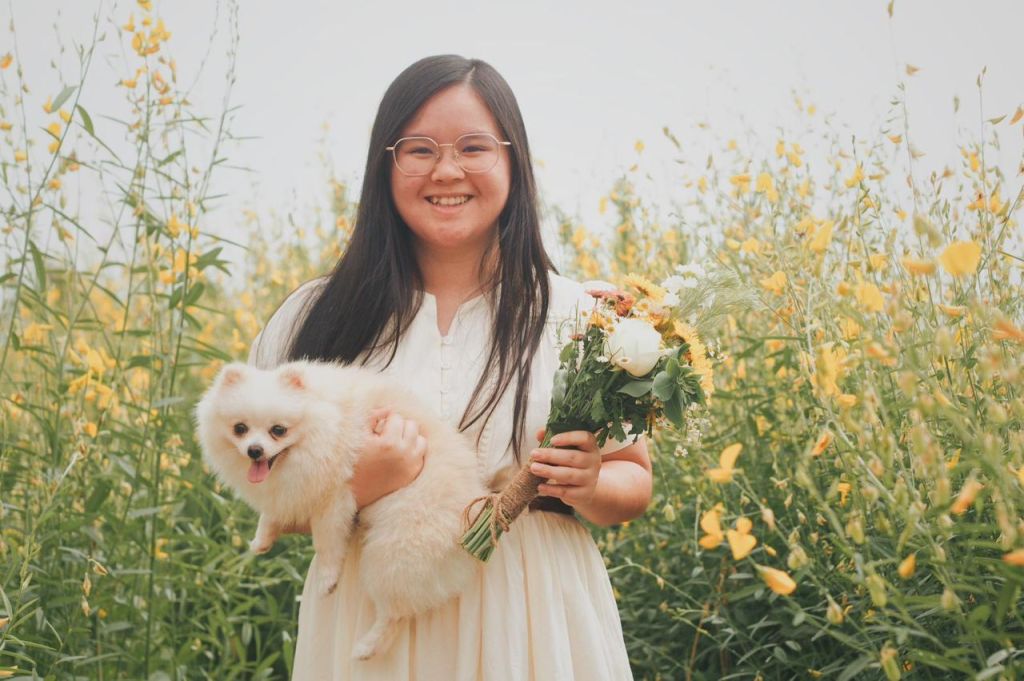
One student, Ai Leen, chose to use this time to compare soil quality from a biodynamic farm in Malaysia and various locations throughout Glasgow through the communiMap Compost Co-Lab and draw observations from these and shared her experience.
Here is what she had to say:
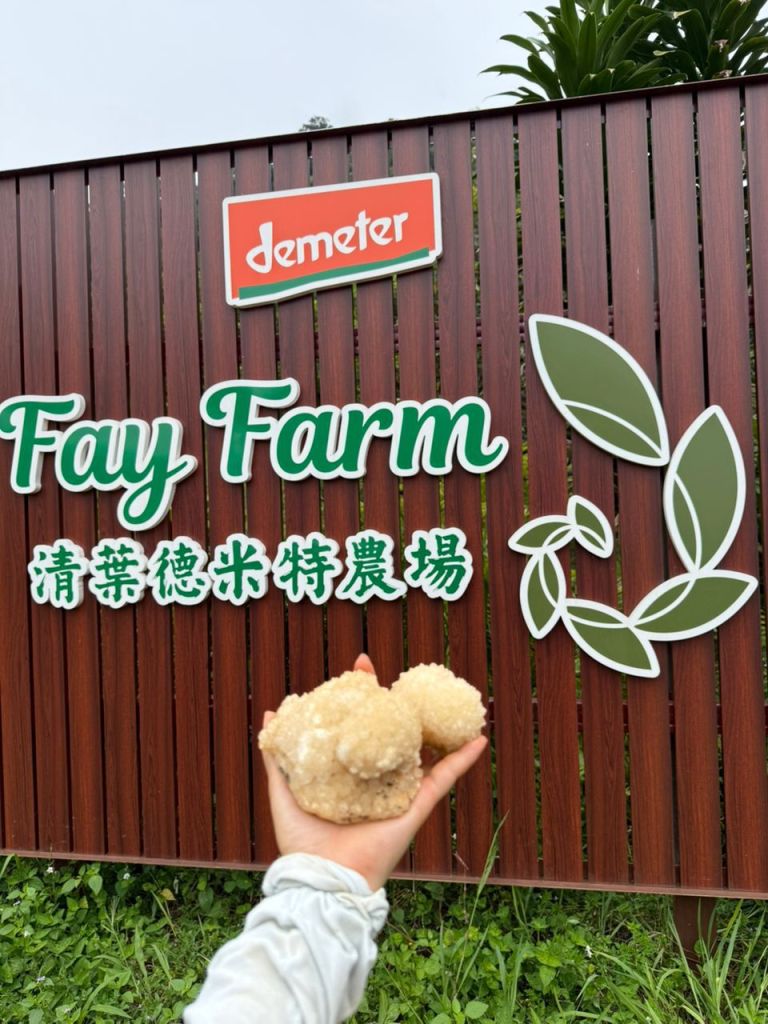
Over five weeks, I undertook a Student Selected Component (SSC) titled Nature Connectedness. My report focused on sustainable agriculture, particularly biodynamic farming, and how environmental factors link to public health. I generated observational entries on CommuniMap following my visit to a biodynamic farm in Malaysia, and comparisons were made with locations in Glasgow.
The main aim of my project was to understand how food systems connect to public health and how the environment influences our food choices and overall wellbeing. I explored food security, nutrient quality, and the environmental impacts of different farming systems. A key area of interest was comparing ecological practices in urban Glasgow and rural Malaysia, examining their requirements, advantages, and wider community effects.
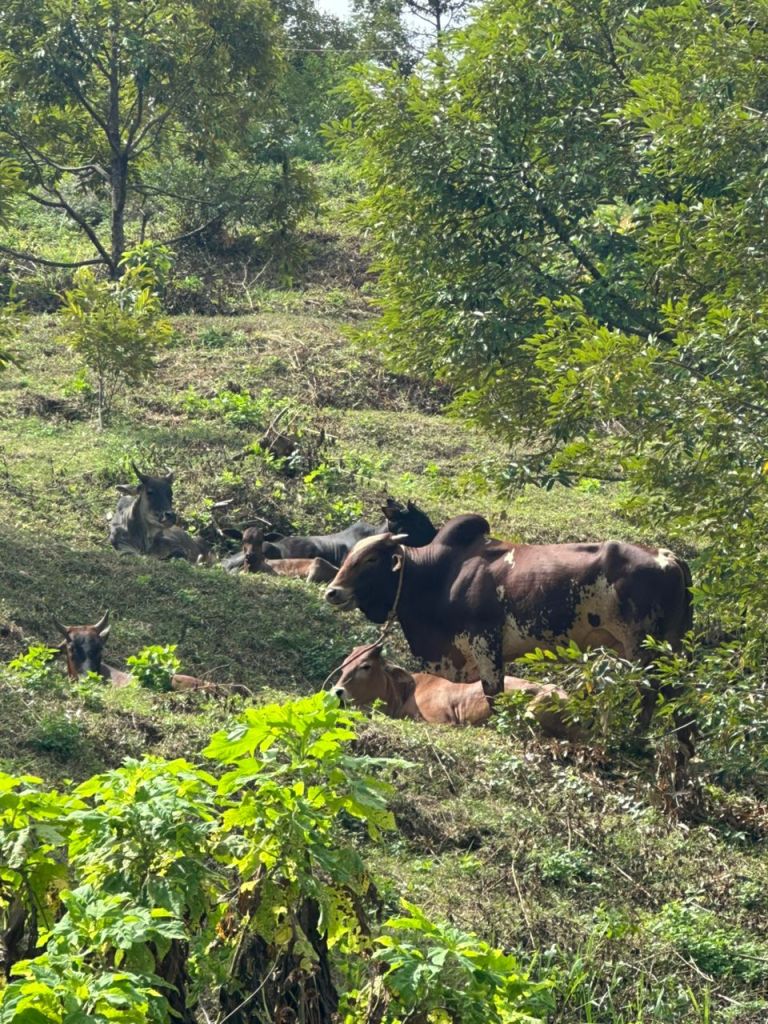
Composting was one shared practice across both regions. By using plant residues, domestic waste, and animal manure to produce fertiliser, composting diverts waste while enriching soil. At FayFarm in Malaysia, composting relied heavily on natural factors such as rainfall, sunlight, and even wild boars turning the compost piles. In Glasgow, cardboard was used to absorb excess moisture during wetter seasons, and structured systems were more common. Despite these differences, individuals involved in composting in both regions demonstrated a strong sense of environmental awareness and connection to nature.
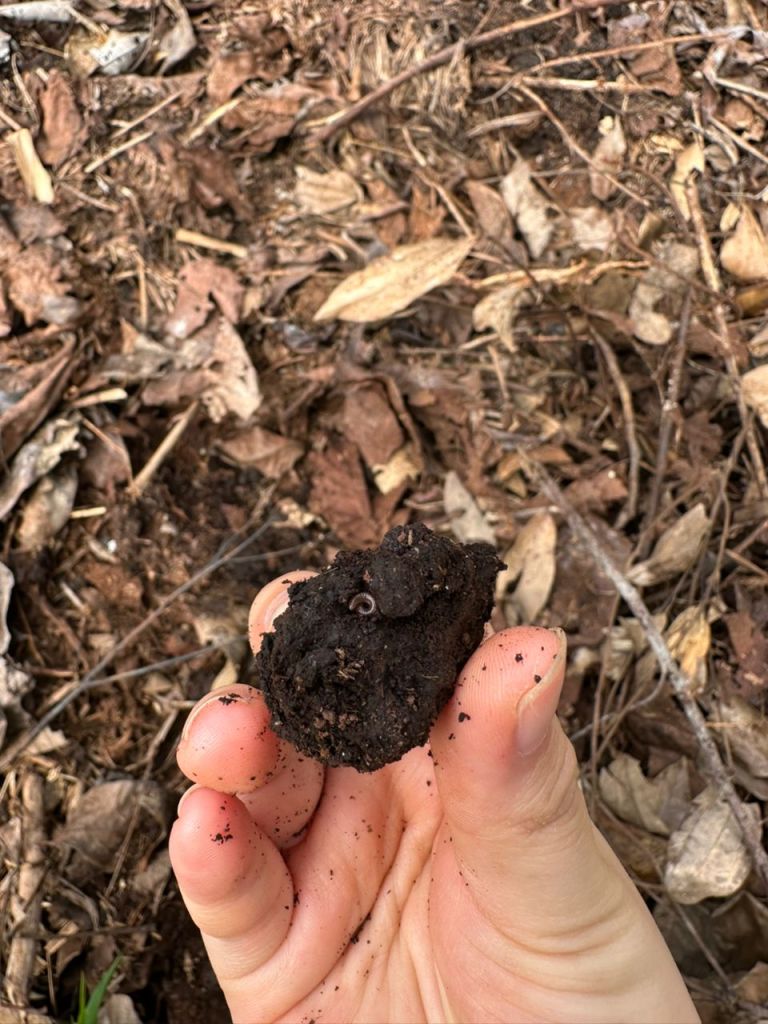
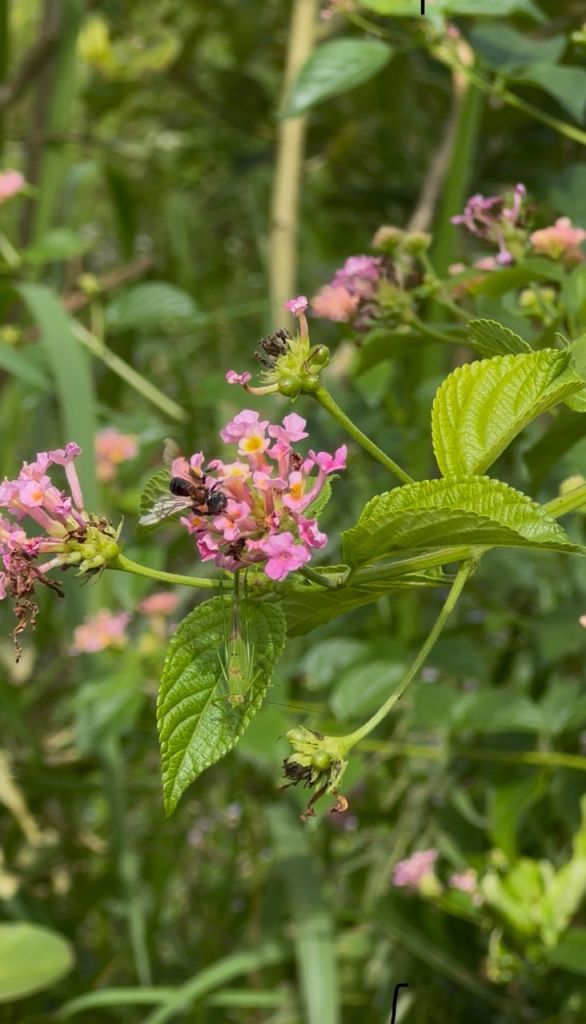
Soil health emerged as central to sustainable farming. Biodynamic soil at FayFarm was dark, loose, moist, and rich in microorganisms. In contrast, conventional systems often displayed pale, dry, and compacted soil, requiring greater chemical input for maintenance. Healthy soil supports biodiversity, attracting pollinators such as bees, butterflies, and dragonflies. Consumers of biodynamic produce also reported improved taste, aroma, and perceived energy, reinforcing the link between soil vitality and food quality.
This placement reshaped my understanding of sustainability. I learned that health begins long before patients enter a clinic — it starts with soil, food, and the environment that sustains us. Sustainable, community-driven food systems are not only environmental choices but essential foundations for resilient public health.
 GALLANT Community Collaboration Research
Leave a comment