

Photos and writing by: Richard Rinn
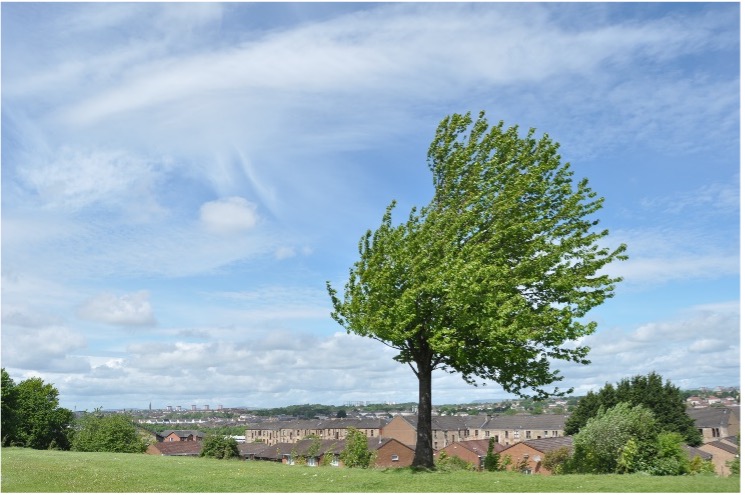
Since attending the first tree mapping workshop at Elder Park in the Govan area of Glasgow on something of a whim just over five months ago, one branch of my life has definitely flourished: the pastime of staring at trees.
It may not sound like something that could compete with the flash bang wallop of modern electronically-delivered entertainment, but if you get the bug for it, you too may find yourself leaving the house more often, and returning just a little wiser and curiouser than before.
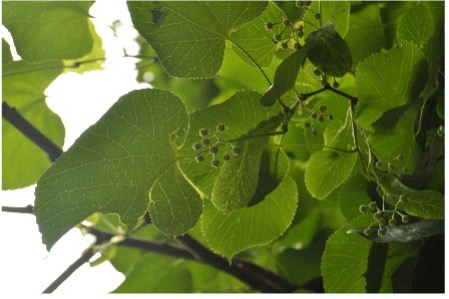
The Elder Park sessions introduced us to GALLANT’s communiMap app, wherein you can log sightings, details, thoughts and photos of several different aspects of the outdoors. Primarily I’ve spent time in the Tree Co-Lab which we were using to update and digitise Bob Gray’s 2014 paper survey of Elder Park. I also started adding trees in my local park, Tollcross Park, which I had already been using as a casual source of becoming less tree-ignorant. This has taken and kept hold of me through a couple of seasons so far and given me an even deeper appreciation for the breadth of species the park contains, which includes six types of ash tree, seven types of lime tree, and eight types of maple amongst many others.
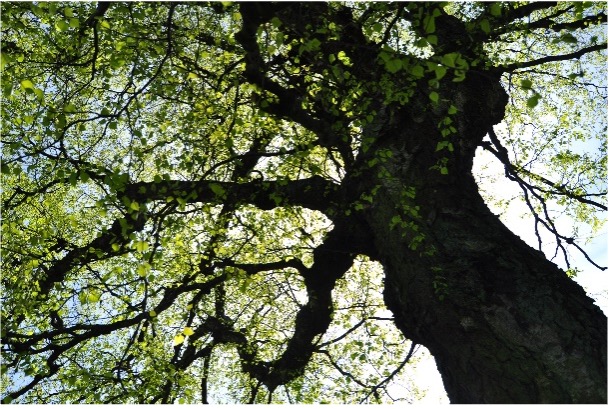
Adding a tree to communiMap can be different for different people. Some just take a single snapshot and perhaps don’t know what type of tree they’re looking at, just that it caught their eye in the moment. If their photo happens to capture enough of the right sort of detail, others may be able to comment on the spot with an ID. You can go a fair bit deeper, adding up to six photos, and can even update a spot over time to show a tree which might be bare in winter, through the stages of leaves re-emerging, and flowers turning to seeds, then the leaves perhaps changing colour and dropping off during autumn.
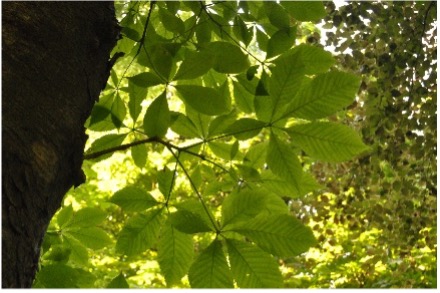
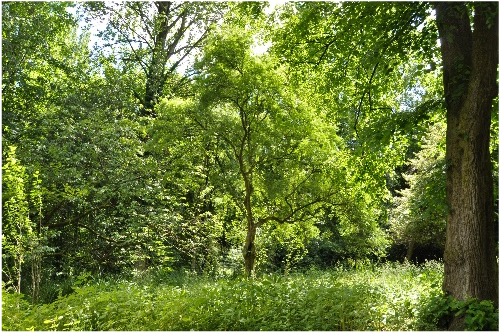
Once you get more tree ID skills under your belt you’ll have more of an idea what to document in the photos, i.e. the bark, leaves, branching, buds, flowers, seeds and so on. There are also sections in the app where you can take note of other aspects of the tree, such as its size, environment, and whether you can see any other lifeforms interacting with it, from squirrels and birds to fungi and insects.
Engaging with all this has definitely caused my concentration on each tree to be deeper than before, and I find it fulfilling when I feel like I’ve unlocked the blinkers on something that was staring me in the face, and allowed me to go to the next level.
At first, if you’ve not grown up with any botanical education or leanings, trees might just look like a load of trees to you. I get this from people I speak with in the park who are curious why I’m staring at a tree, as they might follow my gaze expecting to see a squirrel or the likes. I can also remember different stages in my own journey, for example when I knew that a sycamore was a type of maple, but telling its leaves from those of the norway maple was just a bit beyond my reach. Once you pass these barriers, if you get a decent foothold, it can be quite hard to unsee the difference, so I’m always striving to achieve this more and more.
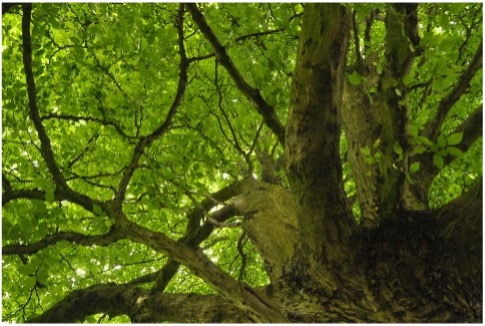
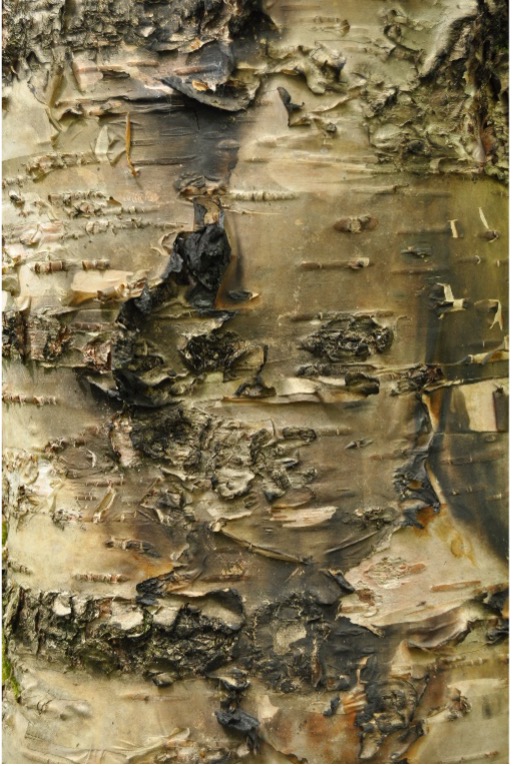
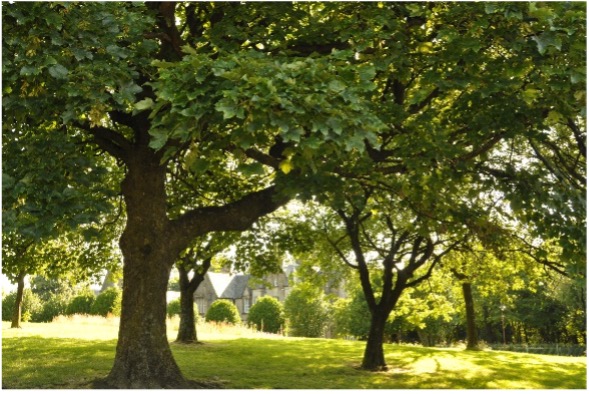
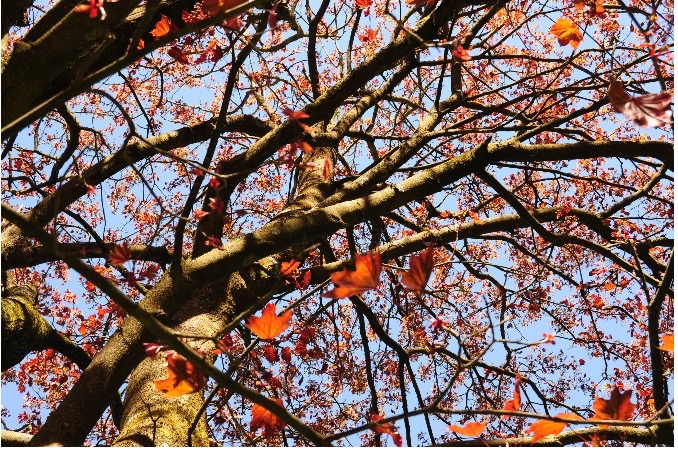
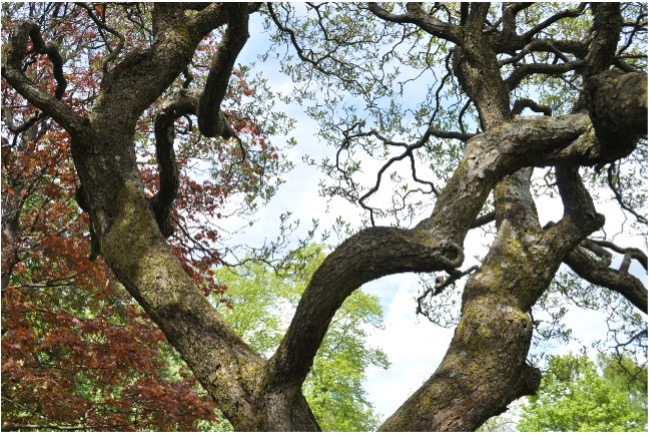
Having added around 400 spots to communiMap now, involving taking a staggering amount of photos, there has been the odd decent one, and hopefully there should be some of my own favourites included with this text, as people connect far more directly with images than waffle.
I’d definitely encourage anyone reading, next time you’re out, to have a wee stare at a tree and see what you think. I mean, not just point your eyes at it while you think about stuff and nonsense, but see what you can see, and maybe try to figure out what it is that you’re looking at.
Then look for more of them as you go about, and think to yourself “that’s a one of them, so it is”. Your mileage may vary.


Leave a comment